Skill Is Built in the Repetition Between Lessons
Skill built through deliberate practice helps rural workers turn a vague task into a focused next attempt, with feedback that clarifies what to change.
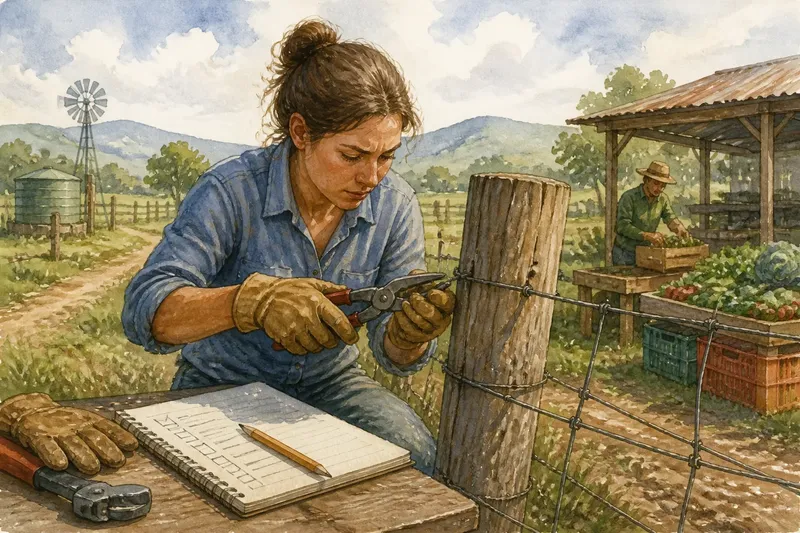
Mara’s first solo fence repair stalls when a staple bends against a hard post. She could repeat the motion she watched her neighbor demonstrate, but she needs a way to decide what to change. Skill built through deliberate practice comes from setting a clear target, checking the result, and using feedback to shape the next attempt.
That approach suits a lot of rural work, from packing produce to keeping shop records. Instead of repeating an entire task and hoping it improves, isolate one decision you can observe and adjust. The aim is not flawless performance; it is a more useful next attempt.
Choose a practice target
A broad goal such as “get better at repairs” is hard to act on. Pick a specific part of the work: keeping the tool aligned, noticing a change in sound, or recording a sale without skipping a field. A narrow target makes it easier to see whether your adjustment helped.
Before starting, state what a sound result looks like and what you will check afterward. For a task with a written standard, such as sorting or recording, use that standard. For work that could injure someone or damage equipment, practice only under appropriate instruction and supervision.
It is not worth tracking every motion or keeping a tally that does not affect your next choice. One short note about the target and the correction you need is often enough.
Build a feedback loop
Useful practice has a simple rhythm: attempt the focused task, inspect what happened, get feedback when needed, and decide what to change next. Keep other conditions steady where you can. If you change the tool, setup, and technique all at once, it becomes difficult to tell which adjustment mattered.
- Check whether the target is specific; if you cannot describe one observable feature, then narrow it before practicing, or ask an experienced worker to help define it.
- Check whether you can compare the result with a written rule, finished sample, or clear instruction; if you can, use that reference, or arrange a review with someone qualified.
- Check whether the setup stayed consistent; if it changed, then note the difference and repeat under a steadier setup, or ask a supervisor whether the variation is part of the task.
- Check whether the same error appeared again; if it did, then change one part of the method, or pause and request a demonstration focused on that decision.
- Check whether fatigue or distraction is affecting attention; if it is, then stop and return when you can focus, or ask someone else to take over a safety-sensitive task.
- Check whether an unusual condition falls outside your agreed authority; if it does, then stop and seek review, or follow the workplace’s established escalation procedure.
Feedback works best when it names something you can act on. “That’s not right” gives little direction; “the date is missing from this entry” points to a specific correction. Ask for one detail at a time, and preserve the part of the work that is already sound.
Practice decisions, not motions
Many tasks depend on judgment that a demonstration can leave unstated. A person learning to maintain a pump needs more than the order of the motions; they also need to know which observations call for stopping and getting help. Ask a teacher what they notice before making a choice, then practice identifying that cue within the agreed limits of the task.
Imagine a new market worker, with the invented starting point of entering produce sales but repeatedly leaving the date field blank. The worker first asks a supervisor to confirm the record’s required fields, then practices entering one sample sale and checks it against that rule. Next, the worker changes only one habit—checking the date before saving—and reviews the next sample with the supervisor. If the date is now present and the other required fields remain correct, the worker has a concrete routine to keep; if another field is missing, they ask for specific feedback before changing anything else.
Once the basic version is steady, a small variation can show whether you understand the decision or have only memorized a sequence. Change one condition at a time, and do not introduce a variation that could create a hazard or violate instructions.
Questions about deliberate practice?
How do I practice without a teacher nearby?
Use an appropriate manual, written procedure, or finished sample to check work, and keep a short list of questions for someone with relevant experience. For safety-sensitive tasks, wait for qualified guidance rather than experimenting alone.
What feedback should I ask for?
Ask about one observable feature, such as whether a record includes the required field or whether a cut follows the specified method. A focused question makes the answer easier to apply on the next attempt.
How can I tell if my practice is helping?
Look for a change tied to your target, such as fewer omitted fields or a clearer ability to explain why you stopped and asked for help. If the same issue persists, adjust the practice target or request more specific instruction.
When should I try a harder version?
Move on when you can do the current version attentively and recognize when the result needs correction. Add one new condition at a time, and keep the task within your training and authority.
Carry the lesson forward
Before a lesson ends, agree on the next practice target, the standard you will use to check it, and who can review the result. That small plan helps a worker turn a correction into a repeatable habit without confusing familiarity with readiness.
Skill built through deliberate practice grows when each attempt answers a useful question: what changed, what did the result show, and what should happen next? A clear note and a timely request for feedback can make that answer easier to remember when the teacher is back across the field or down the road.